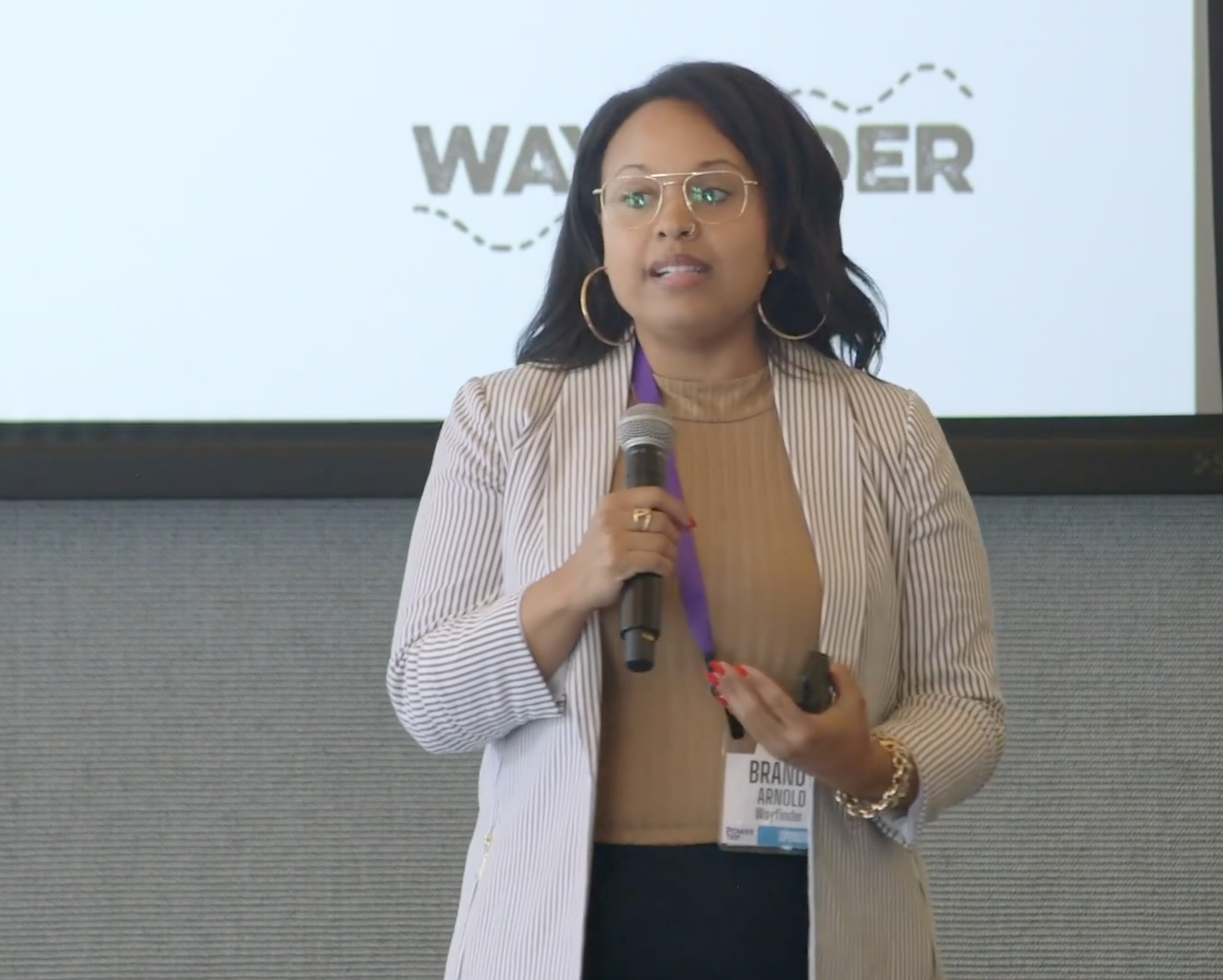
In this session with Wayfinder, explore the science of self-compassion and its connection to well-being, fortitude, and motivation. We often have compassion for others, but what about compassion for ourselves? A self-critical mindset can make us weaker in the face of failure and uncertainty, leading to less resilience over time.
In a presentation made possible by ClassLink, one of the nation’s top superintendents shares her take on leading with purpose through reflection, spiritual growth, close family ties, and much more. Highlight on book selection in tribute to Jan Mills, beloved Power Tripper.
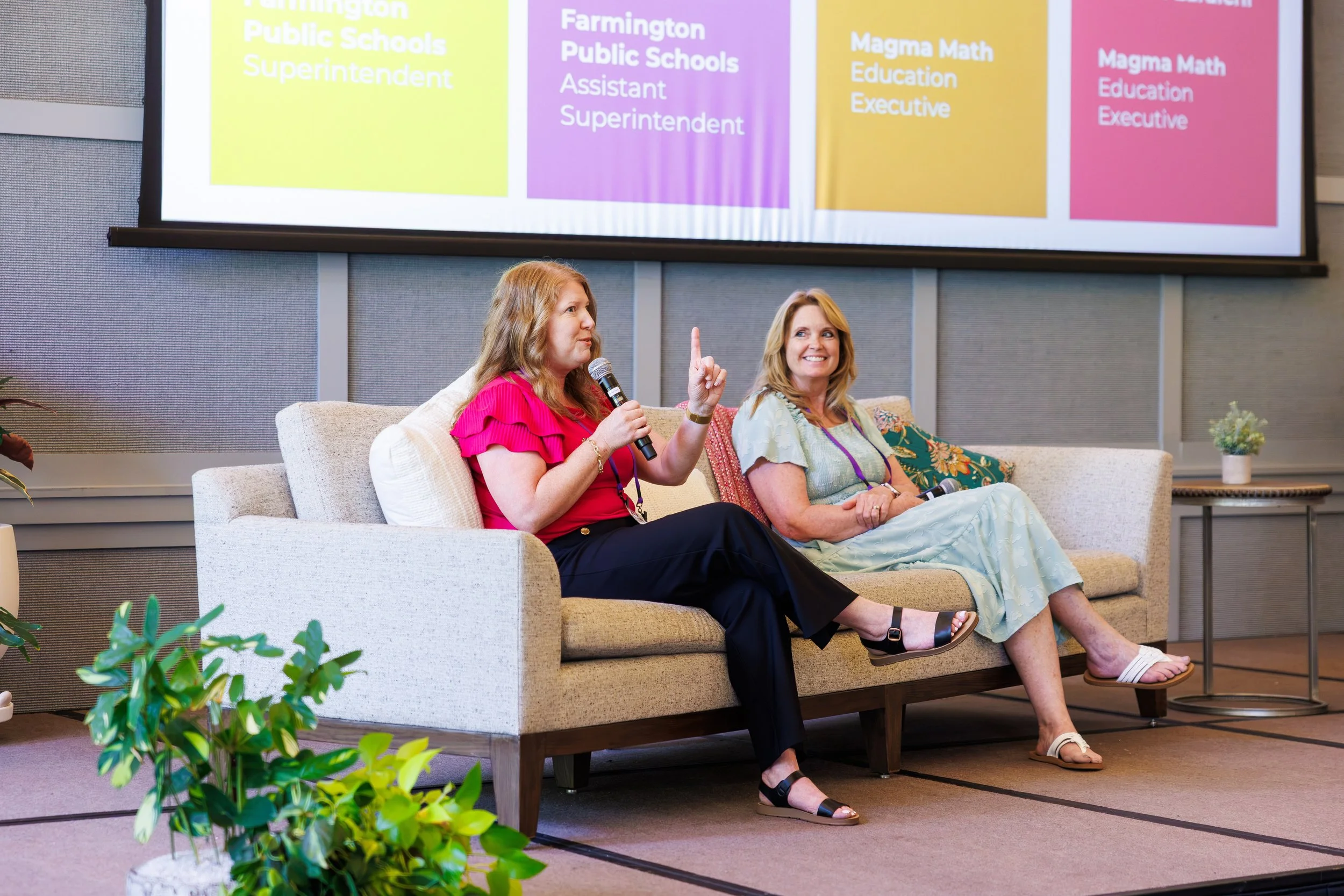
Most women have experienced that nagging voice telling them they’re not good enough, smart enough, or experienced enough for the leadership role. What if we told you that voice might be born in math class? With math anxiety disproportionately higher in women than men, it’s crucial to build math confidence in girls starting in early education, all the way through adulthood.
Understand the real data on why communities feel uninformed despite districts communicating more than ever—then walk through two strategies I use with districts every day: a long-game breadcrumb approach for bringing communities along on big decisions, and a rapid flood-the-zone method for when you need to build trust fast.
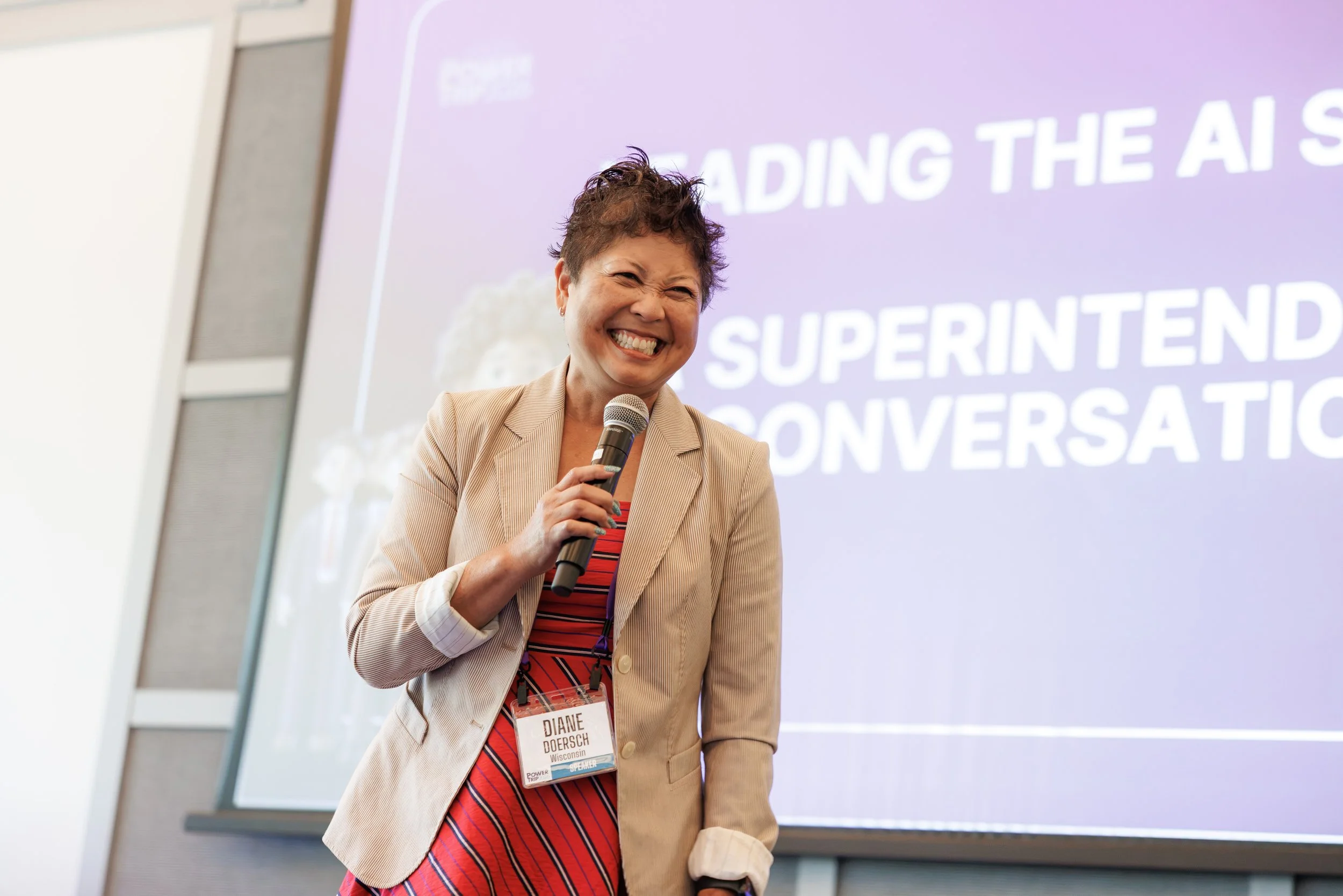
In this session, school district leaders will explore how AI and Cybersecurity intersect through data, decision-making, scams, vendor tools, and governance. Leaders do not need to become AI or cybersecurity experts, but they do need to become the leaders who ensure their districts ask better questions, protect sensitive data, prepare for disruption, and build public trust before something goes wrong.
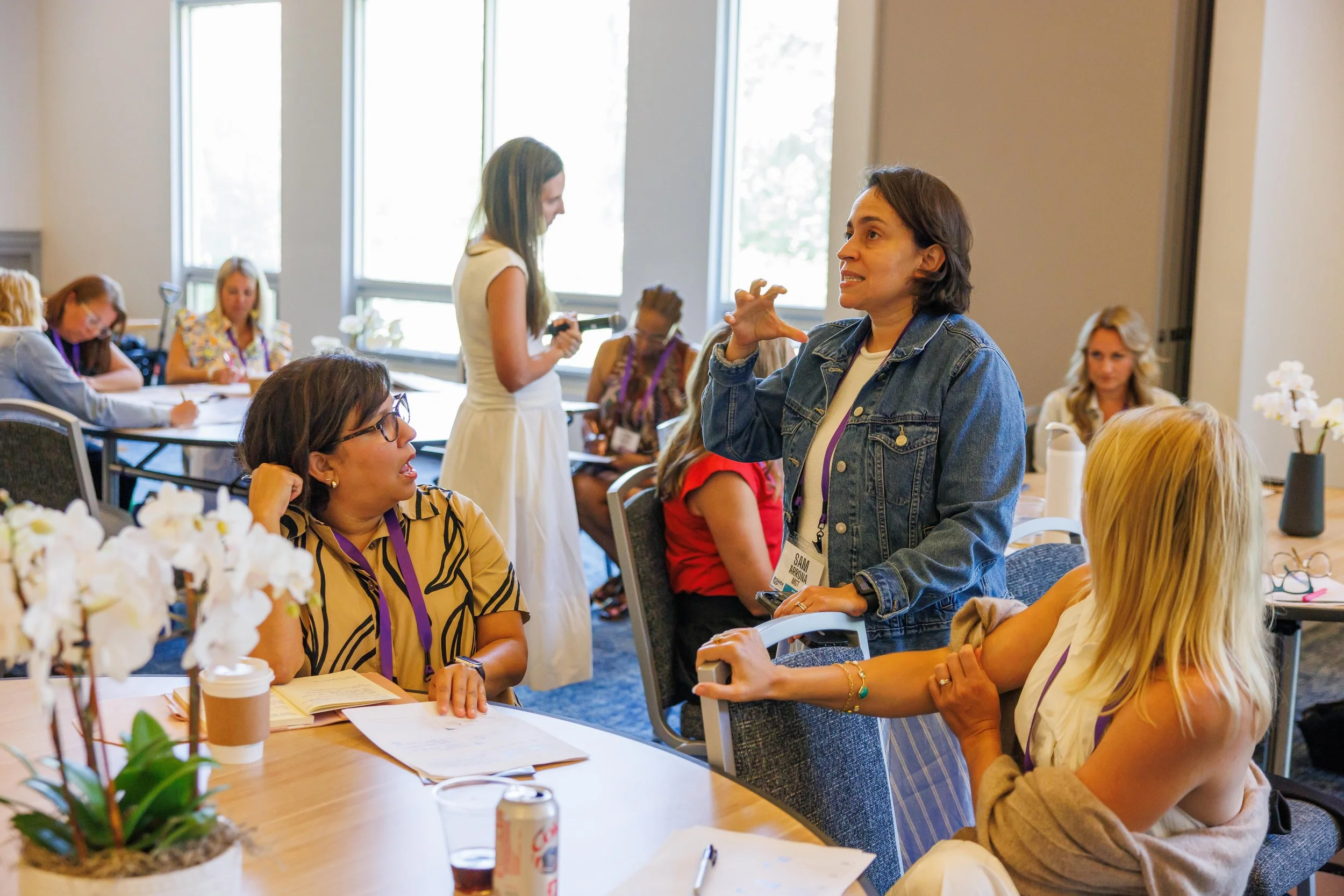
Most districts don’t struggle with ideas. They struggle with focus, alignment, and measuring whether change is reaching classrooms. This session helps district leaders cut through the noise and build the shared clarity their teams need to move forward.
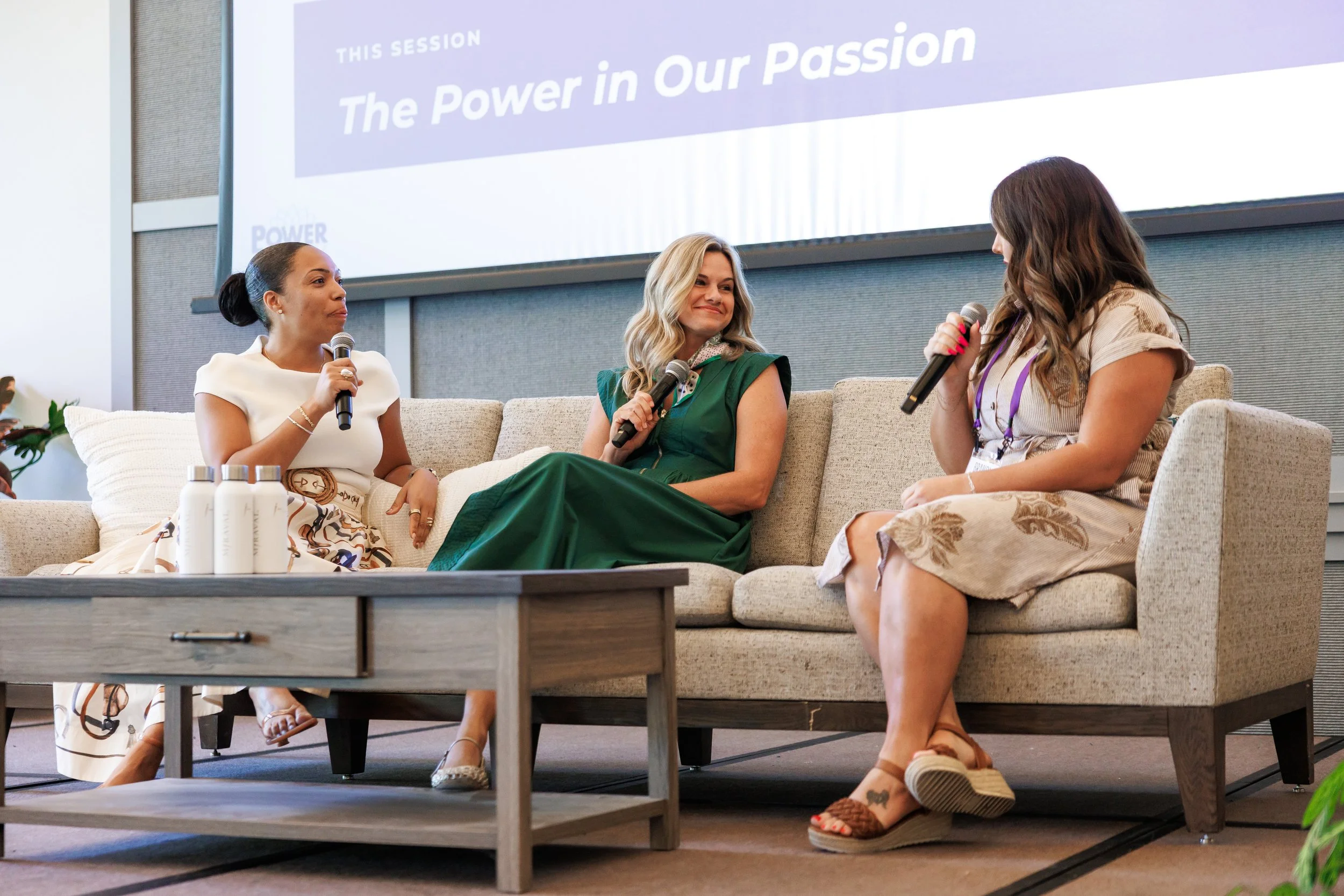
Women in education leadership are closing gaps every day—in achievement, in access, in what’s possible for the students and communities they serve. What they don’t always get is a space to name what that work has cost them, taught them, and revealed about who they are as leaders.